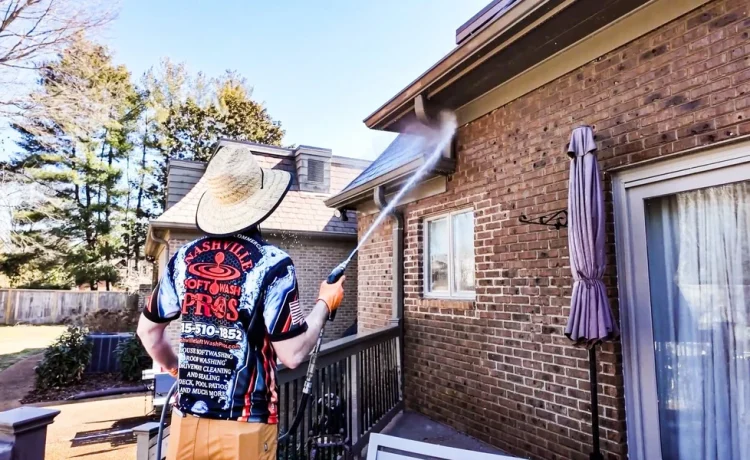
Pressure washing can transform dingy siding and mossy sidewalks into sparkling showcases, but what is the real environmental cost behind that satisfying blast of water? Homeowners in the Pacific Northwest face unique challenges: relentless rain, persistent shade, and moss growth that can turn any surface into a slip hazard or a stained eyesore. Yet, as pressure washers rev into action across Olympia, Tumwater, and beyond, concerns about water usage, runoff, and the fate of local plants bubble to the surface.
The Truth About Pressure Washing and Environmental Safety
Effective pressure washing relies on more than just high-pressure streams. It begins with understanding the mechanics behind the process. Using specialized equipment, professionals adjust everything from water pressure to detergent blends to fit the surface, whether it’s gritty concrete or delicate siding. This customization ensures not only a deep clean but also a minimized risk of damage.
How Pressure Washing Actually Works
At its core, pressure washing uses a motorized pump to force water through a nozzle at high speed. This mechanical action physically lifts dirt, mold, and organic growth from surfaces. In the Pacific Northwest, where wet weather accelerates moss and algae, regular cleaning is sometimes essential for safety as well as aesthetics.
The Role of Detergents and Their Environmental Impact
Detergents make the job possible, especially against stubborn grime. But what goes into them, and where does the runoff end up? High-quality providers often use biodegradable solutions designed to break down harmlessly after use. Still, if the wrong chemicals are used, they may harm gardens, pets, or the watershed, an especially sensitive issue in regions with fragile salmon streams and abundant rainfall.
Debunking the Myth: Pressure Washing Always Harms Plants and Soil
The fear that every pressure washing session spells doom for nearby flower beds is widespread, but not always justified. Done poorly, high-pressure water and harsh chemicals can strip topsoil and scorch leaves. Done right, with respect for the landscaping, these risks plummet.
How Proper Techniques Protect Landscaping
Expert crews often shield delicate shrubs and direct runoff away from gardens. Adjusting water pressure and minimizing chemical use are part of the craft. Local companies, including Zachs Power Washing, adapt their methods for the unique Pacific Northwest climate, ensuring moss is treated without jeopardizing surrounding plant life.
Real Practices from Pacific Northwest Experts
Customer stories echo a common theme: care for the environment. One Olympia homeowner praised a provider for respecting garden beds and managing water carefully. This type of attention separates responsible companies from reckless operators.
Soft Washing vs. High-Pressure Washing: What’s Safer for the Environment?
Not all pressure washing is created equal. The distinction between soft washing and traditional high-pressure methods matters, especially for the environment.
Understanding Soft Washing and Its Benefits
Soft washing uses low pressure and a tailored blend of eco-friendly detergents. It targets organic growth directly, reducing the need for brute force and excessive water. The gentle approach preserves surfaces, protects plants, and minimizes runoff pollution.
Why High Pressure Can Cause Damage Beyond the Surface
Blasting surfaces with intense force may remove stains, but it can also strip paint, gouge wood, and send contaminants flying into storm drains. In contrast, soft washing is the preferred method for roofs and delicate siding, especially in moss-prone regions like the Northwest.
The Impact of Runoff Water on Local Ecosystems
What happens to all that dirty water after the job is done? Runoff, laden with chemicals and debris, can flow into storm drains and, eventually, rivers and streams.
What Happens to Chemicals and Debris Entering Storm Drains
Stormwater systems in many Northwest cities lead straight to waterways without filtration. Harmful substances can disrupt aquatic habitats and threaten local wildlife.
Best Practices to Minimize Negative Effects
Professionals often use containment barriers, biodegradable soaps, and mindful rinsing techniques. Directing runoff toward grassy areas or using recovery systems helps keep contaminants out of the watershed.
Does Pressure Washing Contribute to Water Waste?
Water conservation is a growing concern, especially during dry spells. The method and equipment selected can have a real impact on consumption.
Water Usage Realities in Different Methods
High-pressure systems can use as much as eight gallons per minute. However, soft washing and modern equipment often cut water usage substantially by relying on cleaning agents and targeting trouble spots.
How Efficiency and Technology Reduce Consumption
Newer pressure washers feature adjustable flow rates and water reclamation systems. Experienced operators focus on efficiency, using just enough water to get the job done while limiting waste.
Pressure Washing and Roof Health: Myths About Damage and Longevity
Some homeowners fear that washing their roof means trading a clean surface for a leaky attic. This misconception can be traced to outdated, high-pressure methods.
Why Soft Washing Prolongs Roof Life in the Pacific Northwest Climate
Moss and algae feed on moisture trapped by the region’s frequent rain. Soft washing, which relies on specialty treatments and gentle cleaning, removes these growths without stripping away shingles or protective coatings.
Avoiding Leaks and Structural Issues with Proper Cleaning
A well-maintained roof resists leaks and decay for years longer than a neglected one. Skipping harsh pressure and instead focusing on gentle, thorough cleaning safeguards both the roof and the home beneath it.
Community and Regulatory Perspectives on Pressure Washing
With environmental consciousness rising, many Pacific Northwest communities have enacted guidelines for outdoor cleaning services.
Local Environmental Guidelines in the Pacific Northwest
Cities often require the use of biodegradable detergents and mandate that runoff be kept from storm drains wherever possible. These standards reflect both public health priorities and a commitment to local ecosystems.
How Professionals Comply and Protect the Environment
Certified pressure washing companies stay current with regulations, investing in training and equipment to meet eco-friendly standards. Transparent practices and clear communication set reputable providers apart.
Final Takeaways: Balancing Cleanliness with Eco-Conscious Care
Pressure washing in the Pacific Northwest is not inherently harmful when done thoughtfully. By choosing companies that employ soft washing, biodegradable solutions, and strict runoff controls, homeowners can keep their properties beautiful and their local ecosystems healthy.
How Homeowners Can Ensure Environmentally Friendly Pressure Washing
Ask about detergents, runoff management, and water-saving techniques before scheduling a service. Read customer testimonials for evidence of care and professionalism.
Choosing Services That Prioritize Green Practices
Turning to experienced outfits like Zachs Power Washing provides both peace of mind and a cleaner, safer property. When environmental protection is woven into every step, pressure washing becomes a solution, not a problem, for the Pacific Northwest.