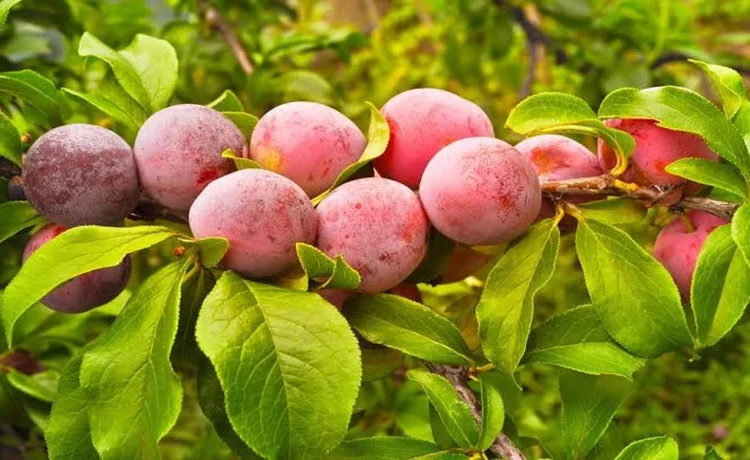
Three trees in the basket. Two places in the garden. The collection has already failed its first test, however persuasive the offer looks.
Ready-made fruit collections deserve a component-by-component reading. They can reduce the effort of assembling an order, introduce a coherent group of fruits or let a nursery choose suitable varieties. They can also include a plant you would never have bought separately. Count that plant as a commitment to space and care when deciding whether the package makes sense.
These ten UK retailers sell collections with revealing differences in contents, supply formats and control over selection. The comparison concerns the purchase you would actually receive.
Reading past the collection name
The offers below are assessed through named components, quantities, plant formats and ordering arrangements. Nurseries with retail sales are included alongside plant retailers. Prices and stock change, so this is a comparison of package specifications and buying choices rather than a claim about the cheapest current basket.
Check what the number counts. Several separate plants, several cultivars grafted onto one tree and multiple plants of one variety are different purchases. The examples here concern packages of plants. Each component retains its own requirements for space, support and establishment.
Pollination also remains a plant-level question. Putting an apple, pear and plum in one box creates a delivery group; it establishes no pollination relationship between the three species. Check cultivar fertility and any suitable partners separately. Then inspect the version selected for the basket, since a change from bare-root to potted material can alter more than arrival size.
Top 10 UK retailers whose fruit collections merit a close reading
1. Chris Bowers & Sons
The key choice at ChrisBowers is who chooses the fruit: its UK retail range includes named collections and a Surprise Bumper Fruit Parcel selected entirely by the nursery. These are two distinct buying arrangements. Settle which one suits the garden before considering the appeal of a larger assortment.
Named contents let you allocate every component in advance. Check each plant against the position reserved for it, including the form and any rootstock stated. If one item has no suitable place, price the wanted plants separately. The extra item remains extra work even when the package seems generous.
The surprise parcel delegates the selection. Plants arrive named and with instructions, according to the nursery, so their identities become clear on receipt. The unknown before ordering is the assortment. A flexible planting project may accommodate that; a completed plan with exact cultivar requirements offers much less room to manoeuvre.
Treat this as a choice about control. Some buyers want help deciding what to grow, while others want their decisions supplied accurately. Both can find a suitable type of offer here. Problems arise when the expected freedom and the garden’s actual constraints differ. Work through the likely unpacking task before placing the order: every arriving plant will need a destination.
2. Marshalls Garden
Marshalls’ four-tree collection names Victoria plum, Conference pear, Stella cherry and Braeburn apple. It supplies four bare-root trees on mixed rootstocks and describes a large-garden setting.
Four species means four developing crowns to place. The familiar cultivar names may make the package feel easy to understand, but the rootstocks and site needs still determine whether it fits. Put all four on the planting plan. If the original intention was to buy a plum and a cherry, assess the apple and pear as additional purchases requiring their own justification. This package can simplify a winter orchard order when its contents match the project. Its plant count is also a useful reminder of the scale being accepted.
3. Roots Plants
One package name; two plum rootstocks. Roots’ Mini Orchard Collection groups James Grieve apple, Conference pear and Victoria plum, with an important specification change between formats.
The bare-root version lists M26 for the apple, Quince A for the pear and St Julien A for the plum. In the potted version, the plum is on Pixy. Record that change before comparing the offers. It affects the tree being planted as well as the starting format.
Open the selected version and read its component details together. “Mini” alone supplies too little information for allocating three future trees. The cultivar and rootstock pairs provide the usable specification. Choose the version that fits the intended layout, then consider its price and planting schedule.
4. Victoriana Nursery Gardens
Victoriana makes the purpose of a package visible. The Jam & Jelly Collection names Red Sentinel crab apple, Farleigh damson and Champion quince. Fruit Tree Favourites groups James Grieve apple, Conference pear and Victoria plum.
Put the expected harvests beside the household’s actual uses. The first collection suits a cook wanting those particular preserving fruits. The second brings familiar orchard fruit with broader uses. A buyer with no interest in quince preparation should give the first group careful thought, even if two components appeal strongly.
These are seasonal purchases of young trees. Check their individual growing specifications after choosing the culinary direction. A coherent use makes a collection easier to assess, while each tree still needs its own place and relevant pollination arrangements.
5. J. Parker’s
Three plants can conceal a substantial difference in starting size. J. Parker’s lists hybrid-berry offers in nine-centimetre pots and two-litre material. Compare the pot formats alongside the price; the matching plant count settles only the quantity.
The components are thornless loganberry, tayberry and Merton Thornless blackberry. Read those identities individually too. Two names specify thornlessness, while the tayberry needs its own description checked. A gardener seeking smooth stems throughout the collection has a further requirement to resolve.
A fair comparison therefore needs quantity, cultivar and supplied size recorded together. Smaller plants may suit someone prepared to establish them from that stage. Larger material may better suit another planting schedule. Decide what starting plants you want before letting the package price stand in for the specification.
6. Ashridge Nurseries
Ashridge’s three- and five-tree orchard bundles make quantity the obvious decision. Start with the number of prepared planting positions, then look at the package that fills them. Three appropriate trees can complete a planned phase; five can enlarge it.
That enlargement carries work: more ground to prepare, more plants to establish and additional future crowns. Include these commitments when comparing cost per tree. Seasonal preordering gives time to settle the layout before delivery, and collections within particular fruit groups offer other ways to narrow the search. Read the chosen bundle’s current contents and supplied forms. Its value depends on matching the planting project already intended, with any expansion accepted consciously as part of the order.
7. Pomona Fruits
Pomona keeps its Blackberry & Hybrid Collection to two named plants: Waldo blackberry and LY654 loganberry, both in three-litre pots. This is a small package with a specification that can be examined directly.
Equal pot sizes do not imply equal growing space. Pomona describes compact, trailing Waldo and allows substantially more spacing for LY654. Allocate each its appropriate span of support before accepting the pair. The buyer gets two different fruits whose canes need separate consideration as they develop.
For a garden already wanting both, the collection can consolidate the purchase neatly. For a narrow support intended for a single compact blackberry, the second plant changes the project. Two items are easy to count; their eventual extent deserves the same attention.
8. Blackmoor Nurseries
Blackmoor specifies Bigandearly Thornfree blackberry, LY654 loganberry and Buckingham Thornless tayberry in its berry collection. The named Buckingham component is significant for a buyer seeking that particular tayberry.
Alternative pot sizes are offered. With the cultivar list held constant, compare the starting material you would receive in each version. This allows a more useful assessment than moving between packages with both different varieties and different sizes. All three plants will require room for their developing canes and suitable supports.
Online ordering and arranged collection provide the buying routes. Confirm the selected format and any collection appointment through those arrangements. The production fields are a growing site, so treat collection as an agreed handover of the order. The precision of the component list is the strength of this purchase.
9. Scottish Heritage Fruit Trees
Eight trees lift the Scottish Orchard Pack into a larger purchasing decision. Scottish Heritage Fruit Trees specifies four apples, two pears and two plums, selected with the buyer’s location in mind. Keep that offer distinct from its separately named Mixed Orchard Pack, which has different contents and includes soft fruit.
The ordering material lists accessories separately, including stakes, ties, guards and labels. It also asks whether similar trees may be substituted. Answer that question against the plan: a flexible orchard may accommodate alternatives, while a position reserved for a particular cultivar needs closer control.
The contact-and-invoice route allows selection, permitted substitutions, accessories and delivery arrangements to be discussed together. Record the outcome. Eight trees is the headline quantity; the agreement should also establish what supports accompany them and which changes to the selection are acceptable.
10. Adam’s Apples
Read “maiden” carefully in the Adam’s Apples cordon or espalier bundle. The six- or ten-tree package contains young apple trees on MM106 for the buyer to train. Creating the cordons or espaliers is part of the future work.
The nursery selects cultivars with location and pollination in mind and warns that ordering multiple bundles may repeat varieties. This delegates selection as well as providing young starting trees. Someone wanting to undertake the training and accept that choice can assess the package on clear terms.
An exact cultivar scheme needs a different conversation. So does a project requiring developed tiers at delivery. Specify the starting stage required, and retain the nursery’s selection and repetition conditions beside the order. The bundle’s name describes the intended training direction; the supplied form tells you where that work begins.
Check what the collection actually solves
Write out the selected package as separate plants. Give each a cultivar, supplied form, stated rootstock where relevant, position and intended use. Add delivery and the supports needed for establishment to the cost comparison.
Then price the plants you would choose individually. Exclude anything present only because it came in the bundle. This gives the comparison a sensible basis: the project you want to complete. A collection earns its place when its contents, selection rules and starting material serve that project. The offer should still look convincing after every plant has been accounted for.
Source note: The comparison uses published retail collection pages, component descriptions and ordering documents. Specifications describe the offers consulted and should be confirmed for the selected version; no fixed price advantage or continuing stock availability is asserted.